.svg)
May 24, 2026

May 24, 2026
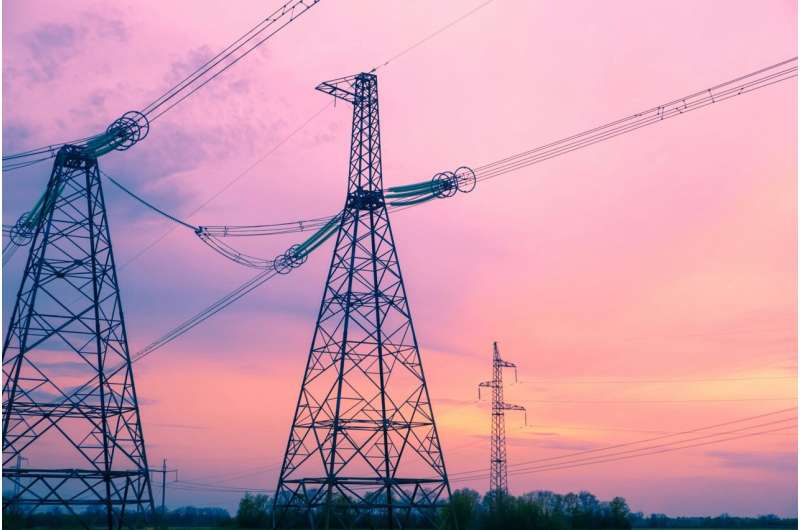
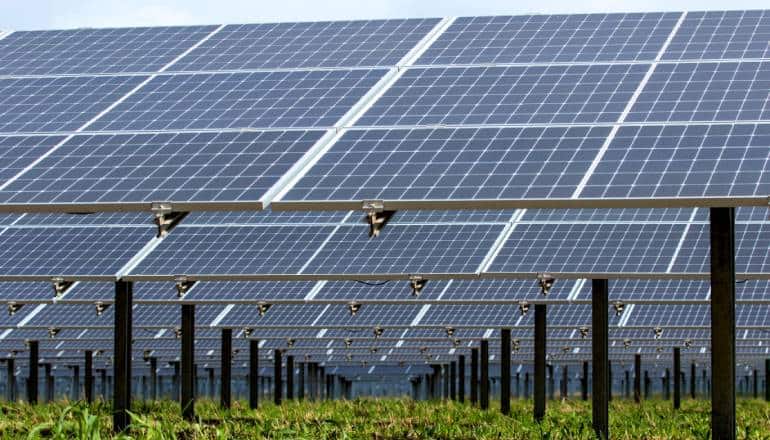
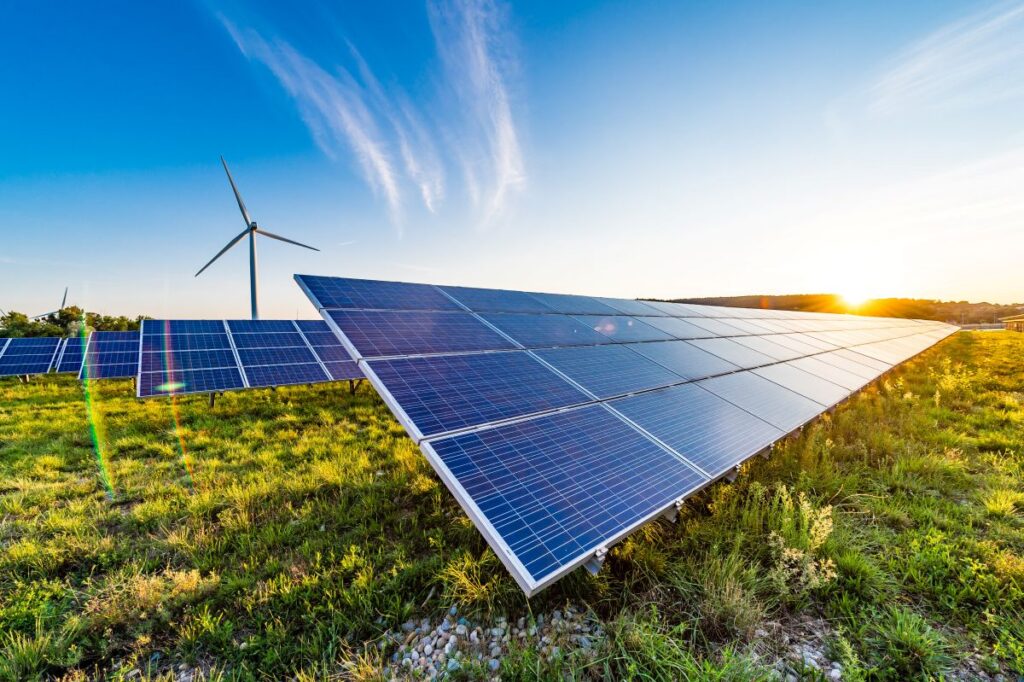
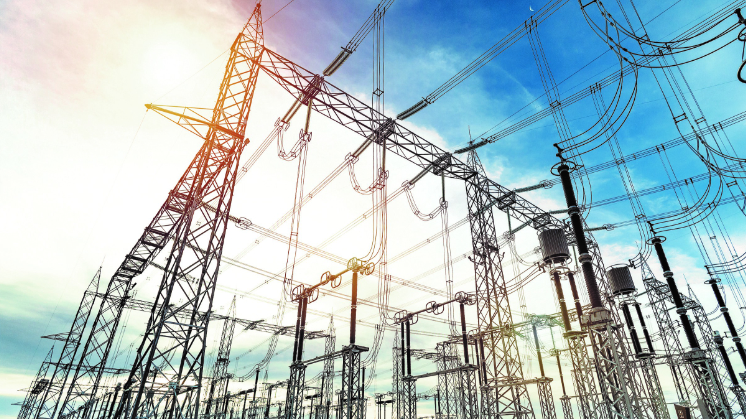
The article reports that the Dutch government is planning a new feed-in tariff under which large electricity producers — including major solar, wind, and other power plants — would contribute to the cost of grid expansion and reinforcement. According to the Netherlands Authority for Consumers and Markets (ACM), the scheme would not take effect before January 2032, giving the market time to adapt. The regulator argues that charging producers for part of the grid cost would encourage more efficient use of the network and reduce the need for further upgrades. However, the piece makes clear that the proposal has already triggered strong resistance within the energy sector.
Industry groups quoted by PV Tech warn that the measure could undermine investment in renewables rather than improve grid efficiency. Energie-Nederland says it is “seriously concerned,” arguing that supply follows demand in the power system and that the proposal wrongly shifts attention away from opportunities to improve efficiency on the consumption side. The group also says uncertainty over the future tariff is already damaging project economics and unsettling investors, while Holland Solar warns that prolonged uncertainty is slowing the Dutch energy transition. The article places the dispute in a wider European context, noting that grid bottlenecks and grid costs are becoming a major constraint on renewable deployment across the continent.










.webp)
.webp)